Our Process
The Scientific Journey
Creating lab grown diamond from human or animal hair using the High Pressure High Temperature (HPHT) method is an innovative process that involves several stages. Below, we will outline each stage along with a description of the processes involved.
Step 01
Hair Collection
Collect strands of human or animal hair. The hair should be clean and free from any treatments or products.
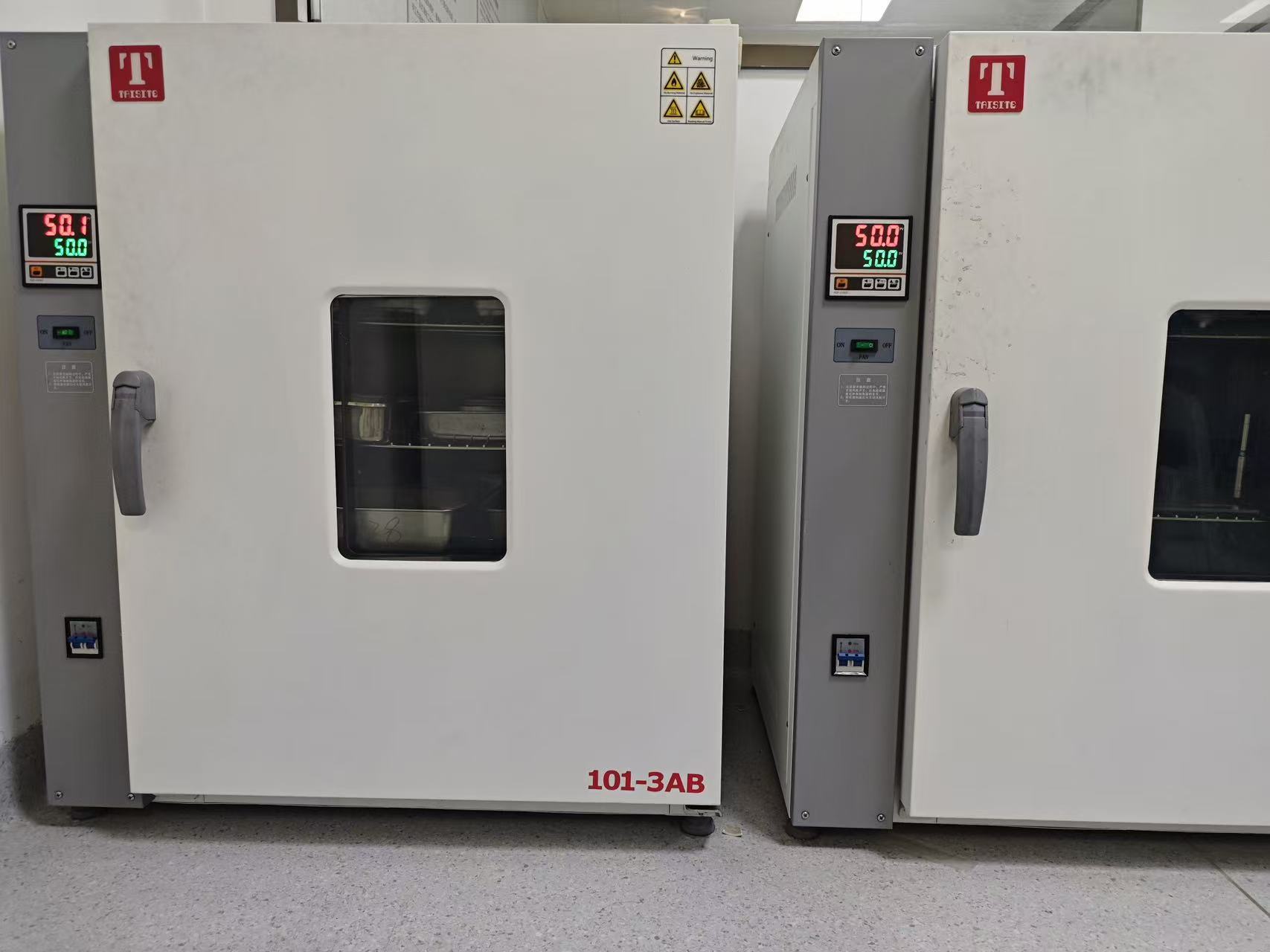
Do you know human or animal hair are composed of Keratin (a fibrous protein), water, melanin and minerals? Therefore, untreated hair cannot be fed into high temperature reactors because surface contaminants like sebum, conditioning silicones and dirt degrade purity. Once stripped of surface oils, the clean hair stranfs are oven dried to drive off residual water and pulverized into uniform fragments to ensure equal thermal transfer during carbonization.

Step 02
Carbonization
Since burning hair in an open-air environment causes the carbon to react with oxygen and escape as gas, the hair must be converted to carbon through anoxic pyrolysis. The hair is sealed in a quartz crucible and placed under a high vacuum. In the process of thermal decomposition; the temperature is ramped steadily to between 60 degree to 1,000 degree. As the chemical bonds in keratin break down, volatile non-carbon components. The residual mass collapses into porous, carbon dense biological char.
Step 03
Formation of Graphite
HPHT diamond synthesis requires carbon with 99.99% purity. Raw hair char still contains microscopic trace elements that interfere with crystalline lattice formation. The bio-char is subjected to concentrated acid wash cycles to dissolve inorganic mineral ash and salt compounds. Then the purified bio-carbon is placed in a high-temperature graphite furnace at 2000-2500 degree under insert gas. This process drives out any remaining trapped volatiles and rearranges the amorphous carbon atoms into ordered sheets of synthetic graphite powder.
Step 04
HPHT Process
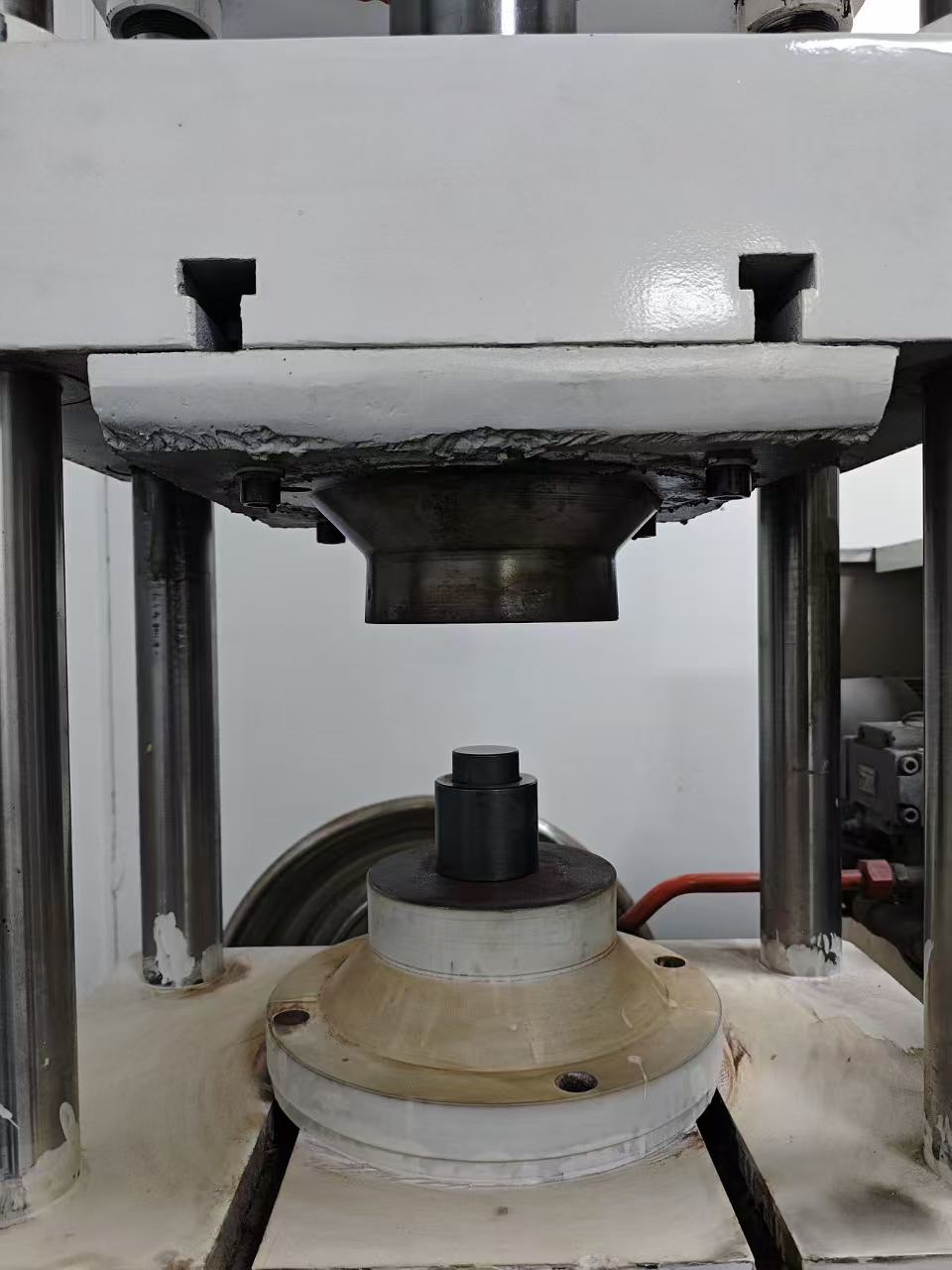
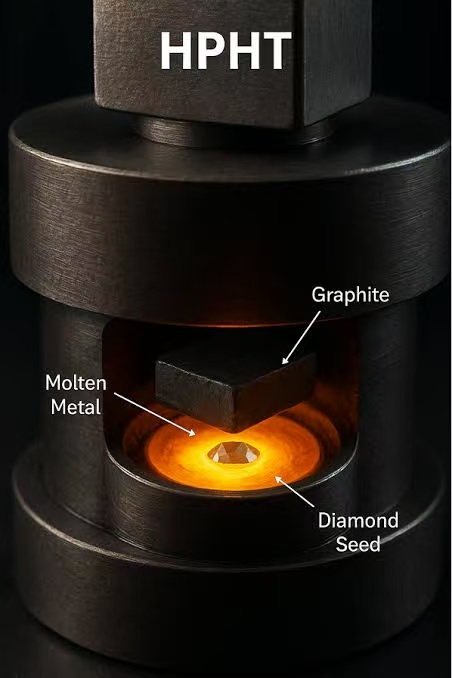
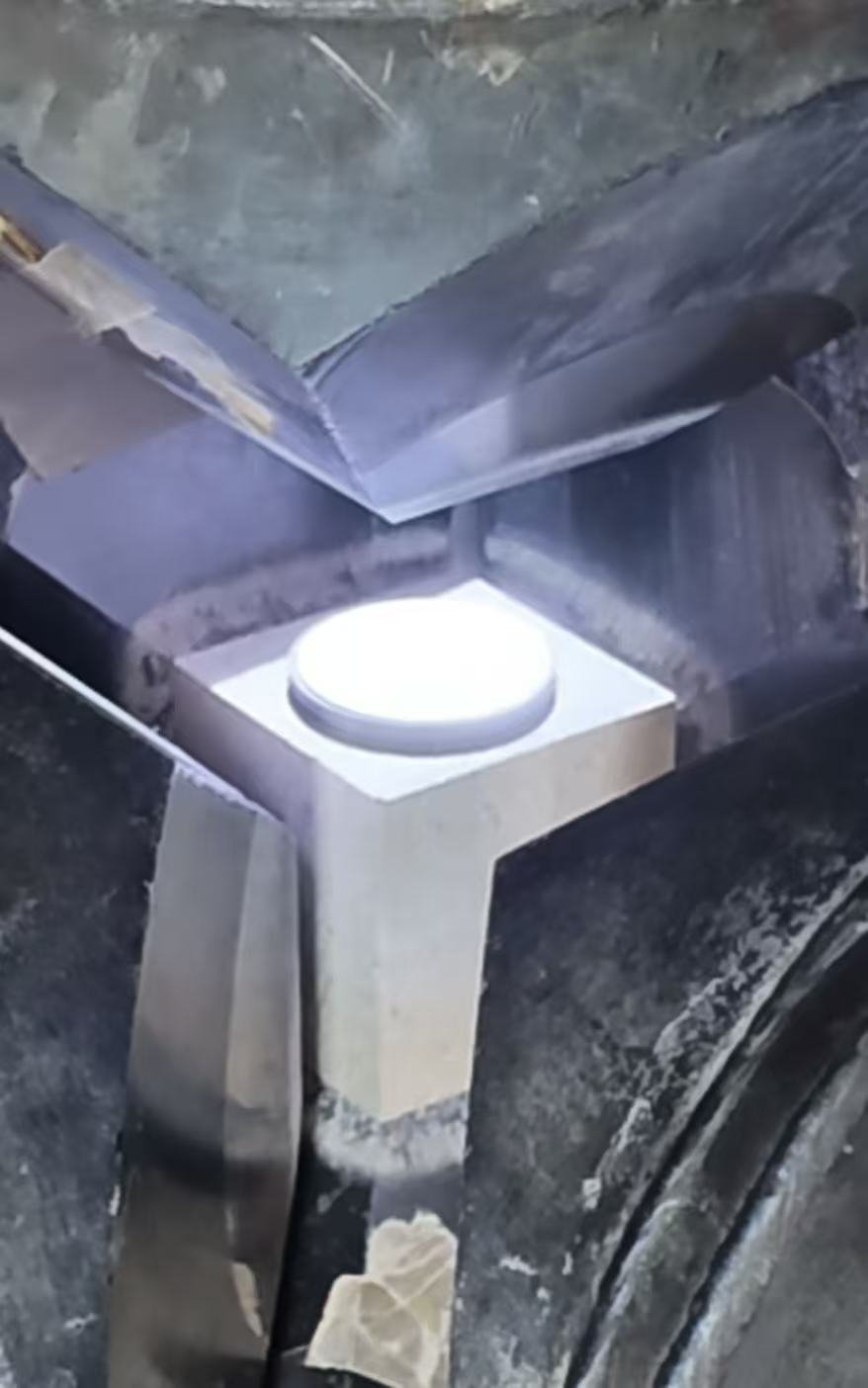
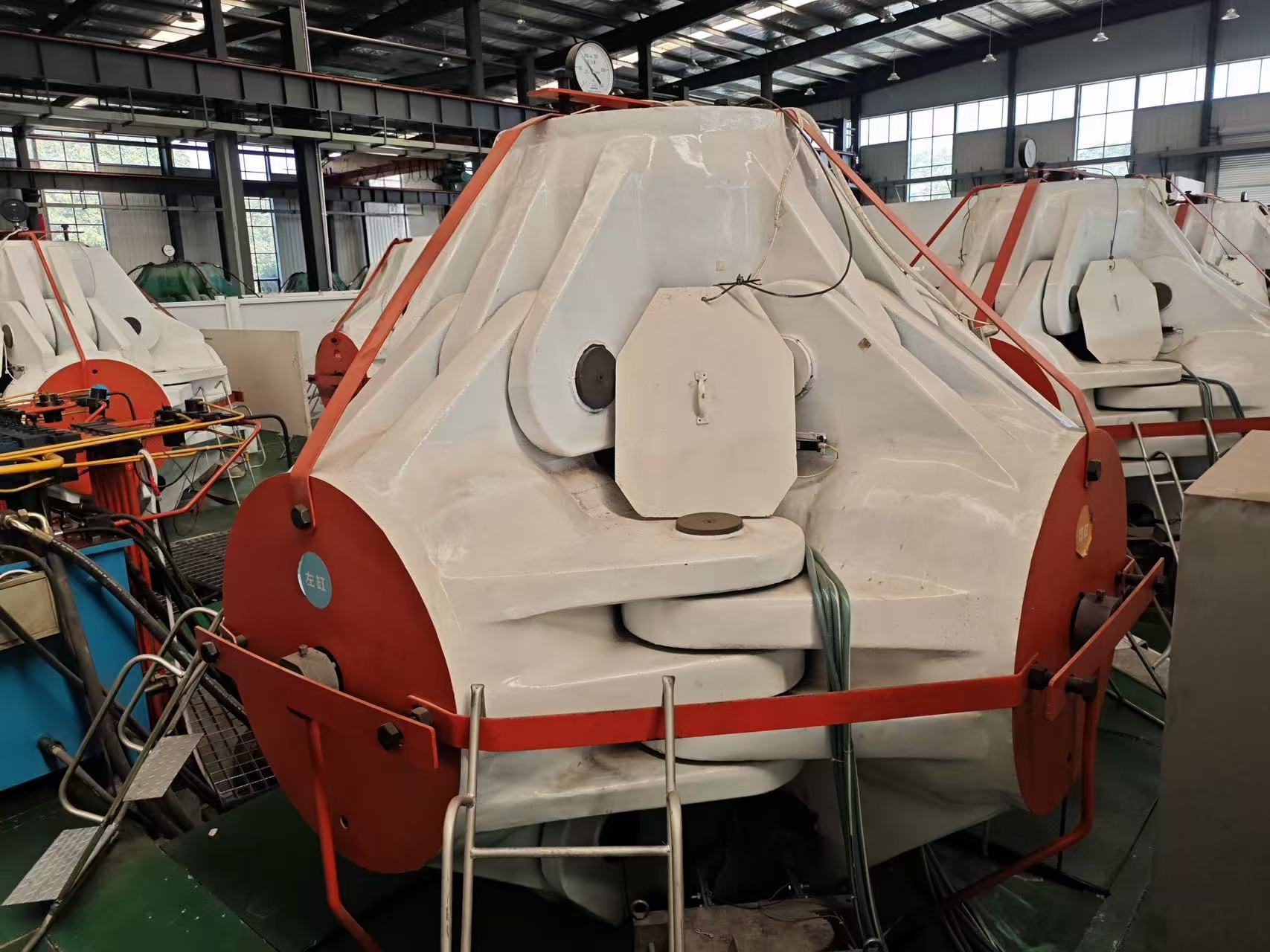
HPHT diamond growth does not run carbon directly against mechanical anvils. It takes place within a specialized, multi-layered containment core known as a reaction cell. A microscopically perfect, natural diamond crystal is placed at the coolest based of the cell. This seed serves as the structural lattice template defining the growth orientation. A layer of transition metal alloy sits directly above the seed. The assembled graphite is then placed into a High Pressure High Temperature machine. The press runs continuously for 7-30+ days depending om the desired carat size and growth speed.
Step 05
Cooling and Crystallization
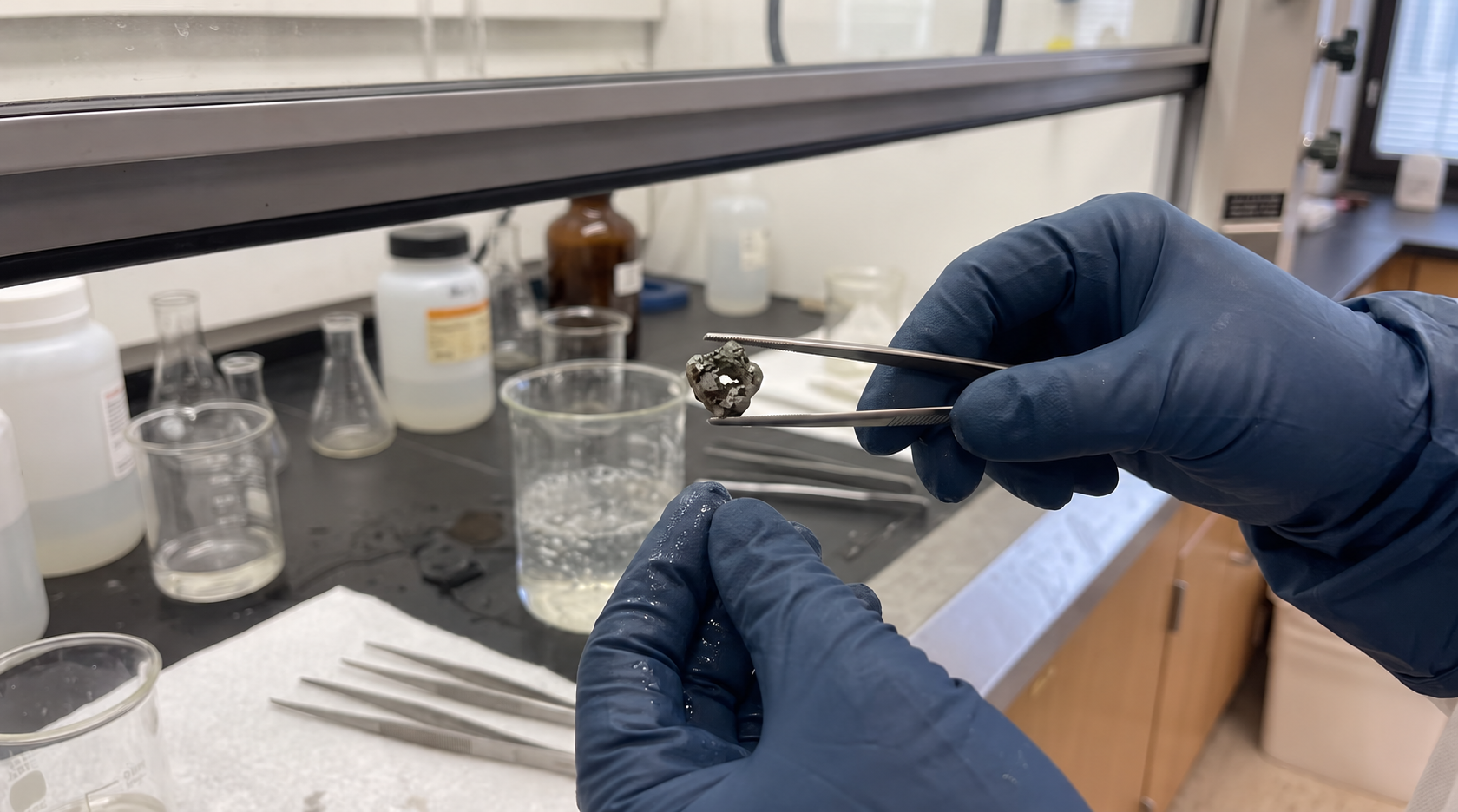
Once the growth cycle concludes, the press cools under pressure to prevent thermal shock fractures. Hydraulic pressure is gradually bled off, and the rock-solid ceramic cell is removed from the anvils. The core of it containing the grown stone is submerged in heated, concentrated acid baths for several days. The acid dissolves the outer ceramic casing and melts away the metallic catalyst shell, leaving behind the rough diamond crystal bonded to its original seed base.
Step 06
Laser planning, cutting and polishing
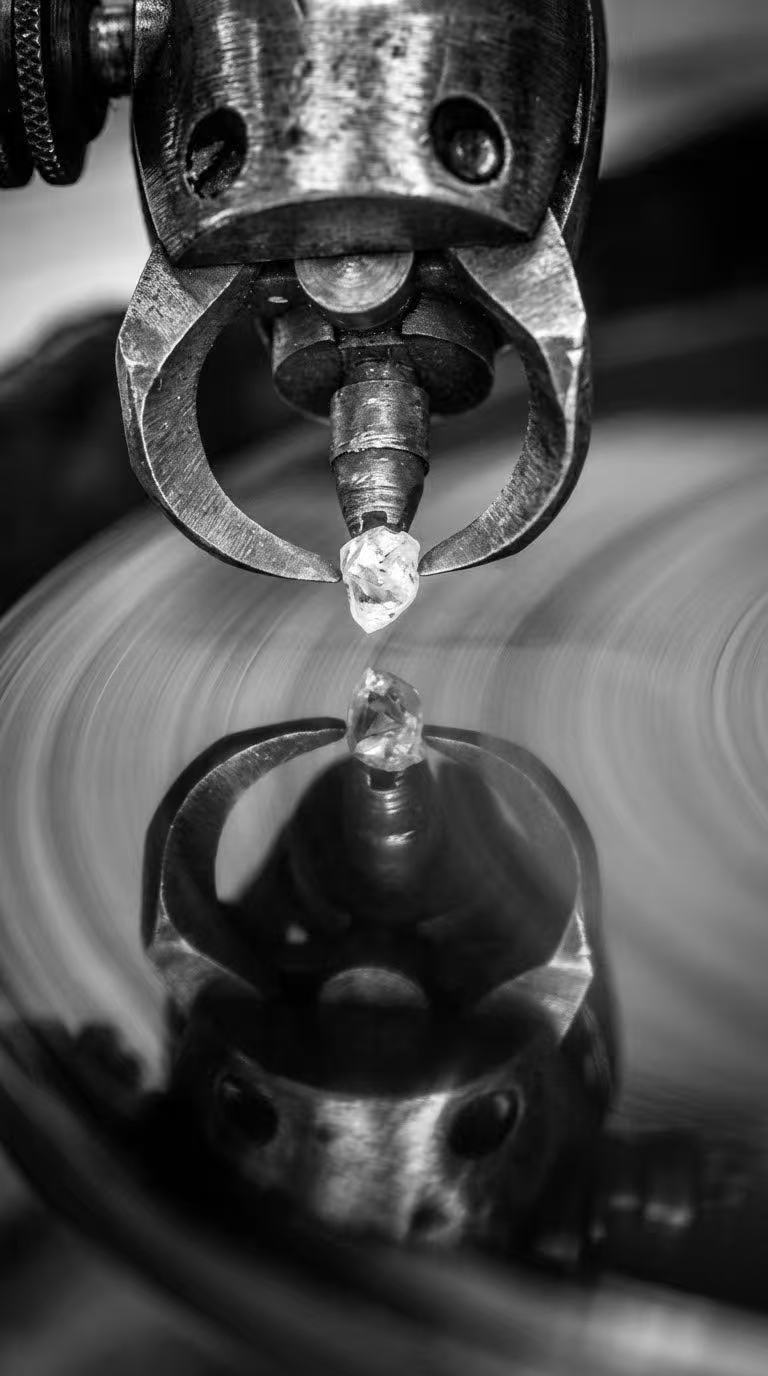
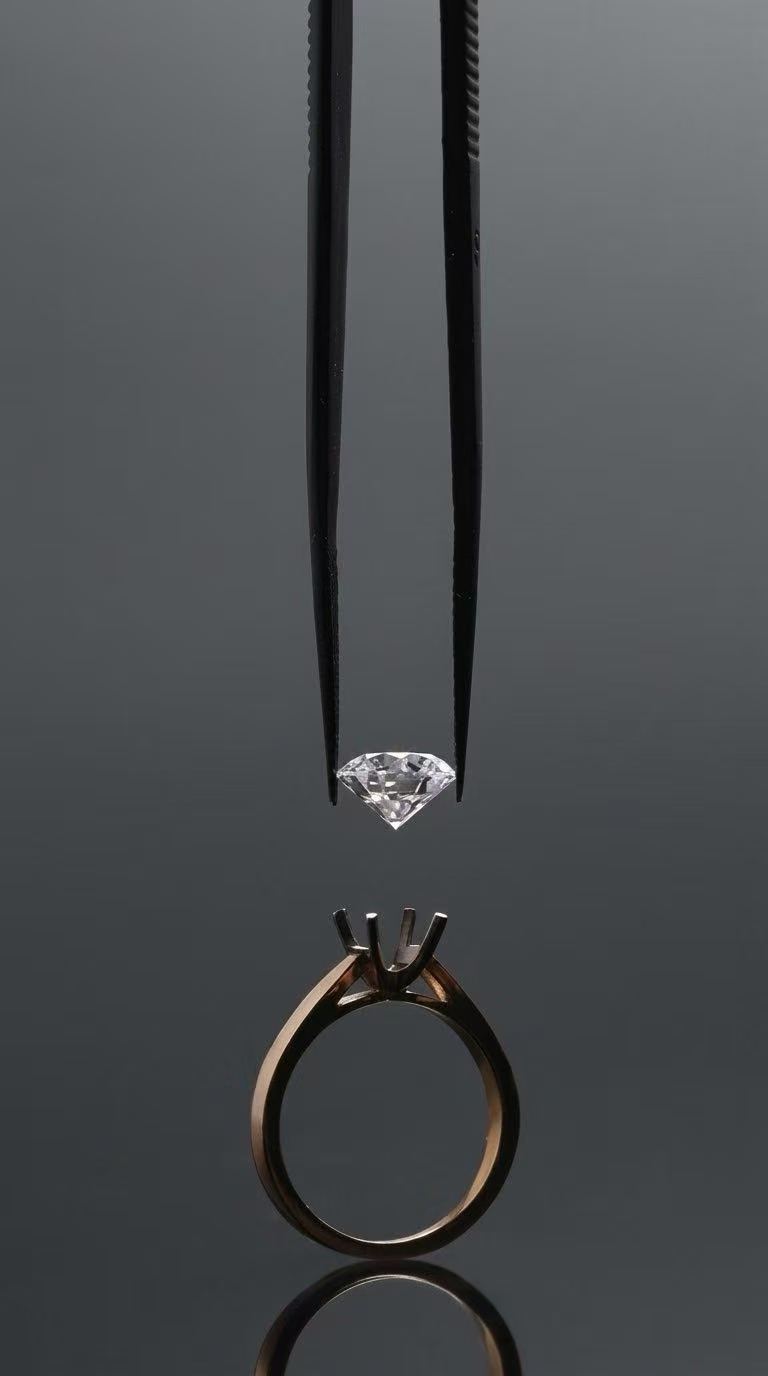
Once the rough diamond is extracted, our gemologists scan the rough diamond in 3D to map any interior inclusions and calculate the optimum yield. Laser cutting saws the stone away from the original seed and established the initial table profile. The stone will then be cut into your preferred shape and polished and ready for certification and jewelry setting.